
History at Oglethorpe University
History at Oglethorpe University is more than a record of names and dates. It is an active investigation of how people, ideas and institutions have shaped our world. In small, discussion-driven classes, you will examine evidence, question familiar narratives and connect the past to the challenges and opportunities of today.
Offered as a Bachelor of Arts major and a minor, the History program develops research, critical thinking and communication skills that prepare you for careers across education, museums and archives, law, public service, journalism, business and more.
Oglethorpe students encounter history not as an ossified record of the past, but as an ever-evolving inquiry into a story that is still shaping us today. Overall, the curriculum emphasizes skilled research, strong critical thinking skills and intelligent debate, producing graduates with fierce intellectual firepower and strong career prospects.
Why study history at Oglethorpe?
Oglethorpe history students learn to find reliable evidence, evaluate competing interpretations and build persuasive arguments. Through close faculty mentorship, focused research and frequent written and oral presentation, you will strengthen the skills employers and graduate programs value: analysis, clear communication, intellectual curiosity and informed decision-making.
What will you study?
Explore history across regions, eras and themes while learning how historians investigate primary and secondary sources. Course offerings may include:
- The Vikings and the Anglo-Saxons
- The Age of Chivalry, 800-1450
- The Renaissance and Reformation
- The Age of Revolution: Europe and the Atlantic World, 1776-1849
- The Age of Empire and Nationalism: Europe, 1848-1914
- The Age of World War: Europe, 1914-1945
- The Age of Affluence: The United States Since 1945
-
Hands-on Learning
-
Career Opportunities
Put historical study into practice through internships, service learning and research. Oglethorpe history students have completed internships with organizations including the Atlanta History Center, Buckhead Heritage Society, the Carter Center, Foxfire Museum, Hofwyl-Broadfield Plantation Historic Site, Mighty Eighth Air Force Museum and Piedmont Park Conservancy.
These experiences can help you build professional skills, explore possible careers and connect classroom inquiry with public history, preservation and community engagement.
A history degree can lead to work in museums, archives, libraries, education, government, nonprofits, communications, business and law. It can also provide a strong foundation for graduate or professional study in history, archaeology, anthropology, political science, international studies, social work and related fields.
- Recent alumni are attending graduate school at American University, Columbia University, Emory University, Georgia State University, West Virginia University and others.
ACADEMIC EXCELLENCE AND PERSONAL CONNECTION
Q&A
Oglethorpe offers History as a Bachelor of Arts major and as a minor.
You will study history in small, discussion-driven classes that emphasize research, critical thinking, evidence-based argument and clear written and oral communication. You can also connect classroom learning with internships and other experiential opportunities in Atlanta and beyond.
History majors learn to locate and evaluate sources, recognize context and bias, compare interpretations, synthesize complex information and communicate persuasive conclusions.
History graduates pursue careers in museums, archives, libraries, education, government, nonprofits, communications, business, public service and law. Some occupations require graduate study, professional education, certification or licensure.
Yes. Historical study builds close reading, research, writing and argumentation skills that support legal education. A history bachelor’s degree does not qualify graduates to practice law. Lawyers typically need a law degree and state license.
Many professional historian positions typically require at least a master’s degree, though some entry-level roles may be open to candidates with a bachelor’s degree. Requirements vary by occupation and employer.
Related programs
Latest News
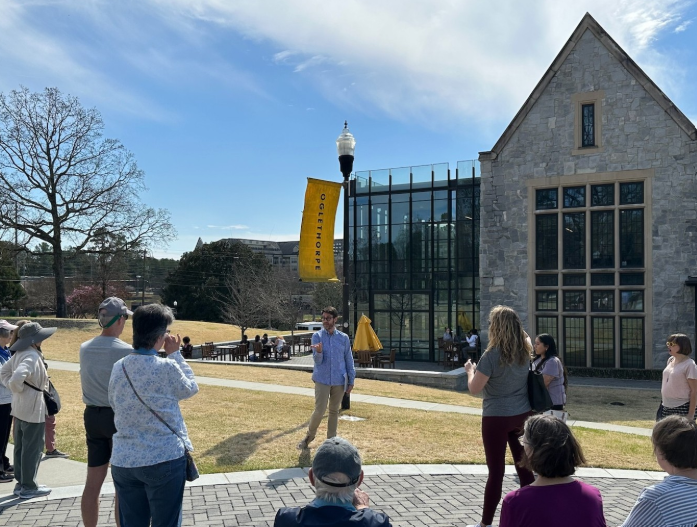
- Arts & Culture, Campus Life
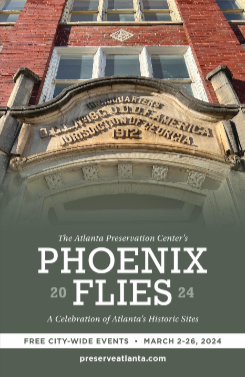
- Arts & Culture, Featured, News
- Academics, Featured, News
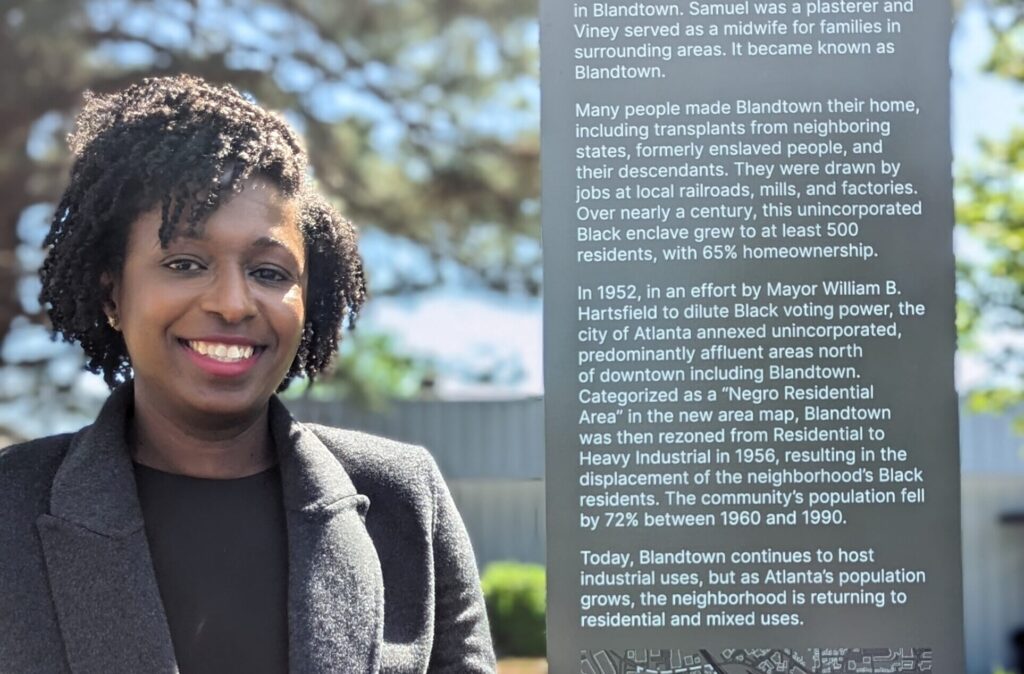
- Academics, Featured, News